Design Philosophy
I design for clarity and evidence. My process begins by defining the user task in measurable terms, then translating
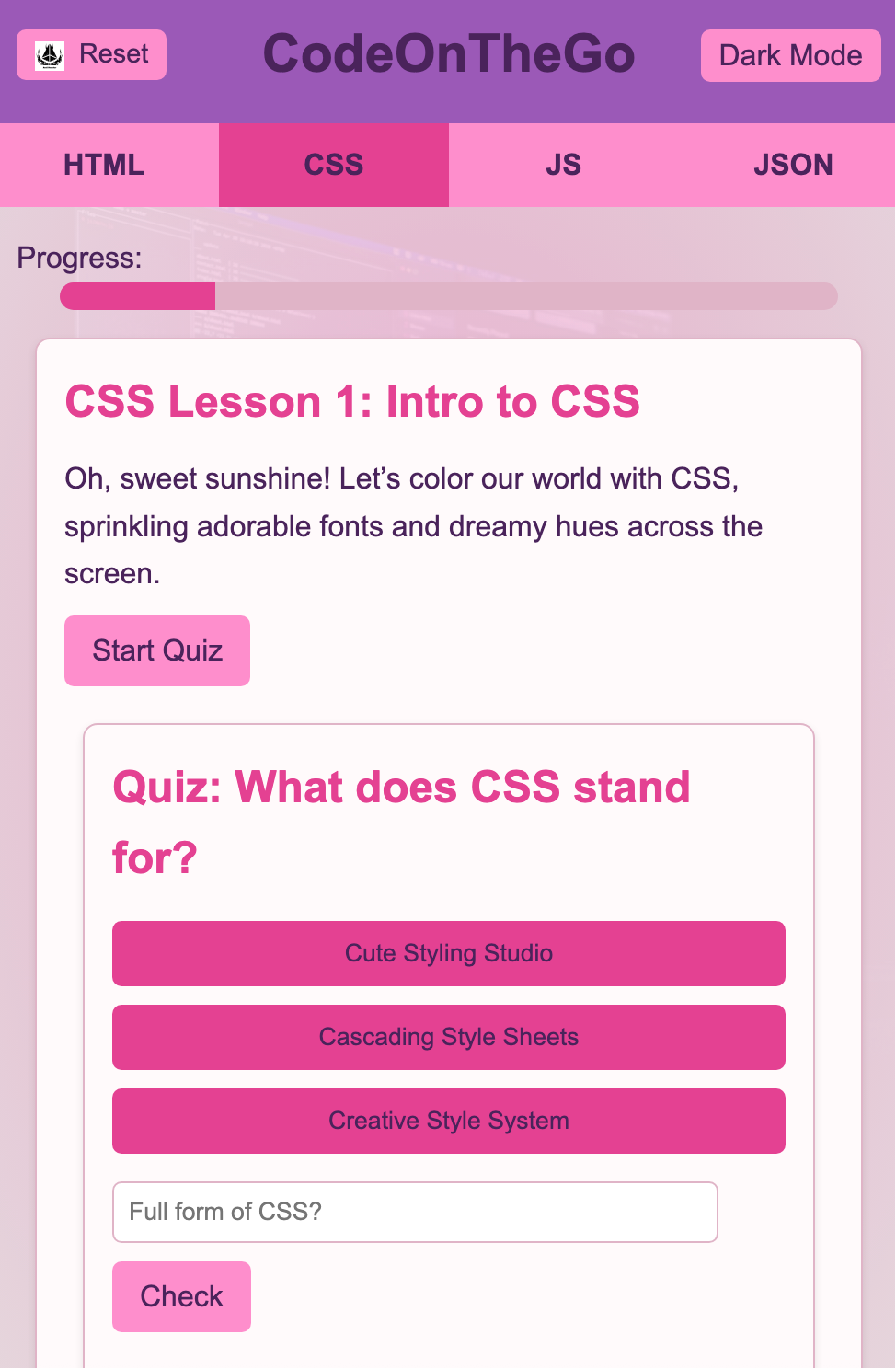
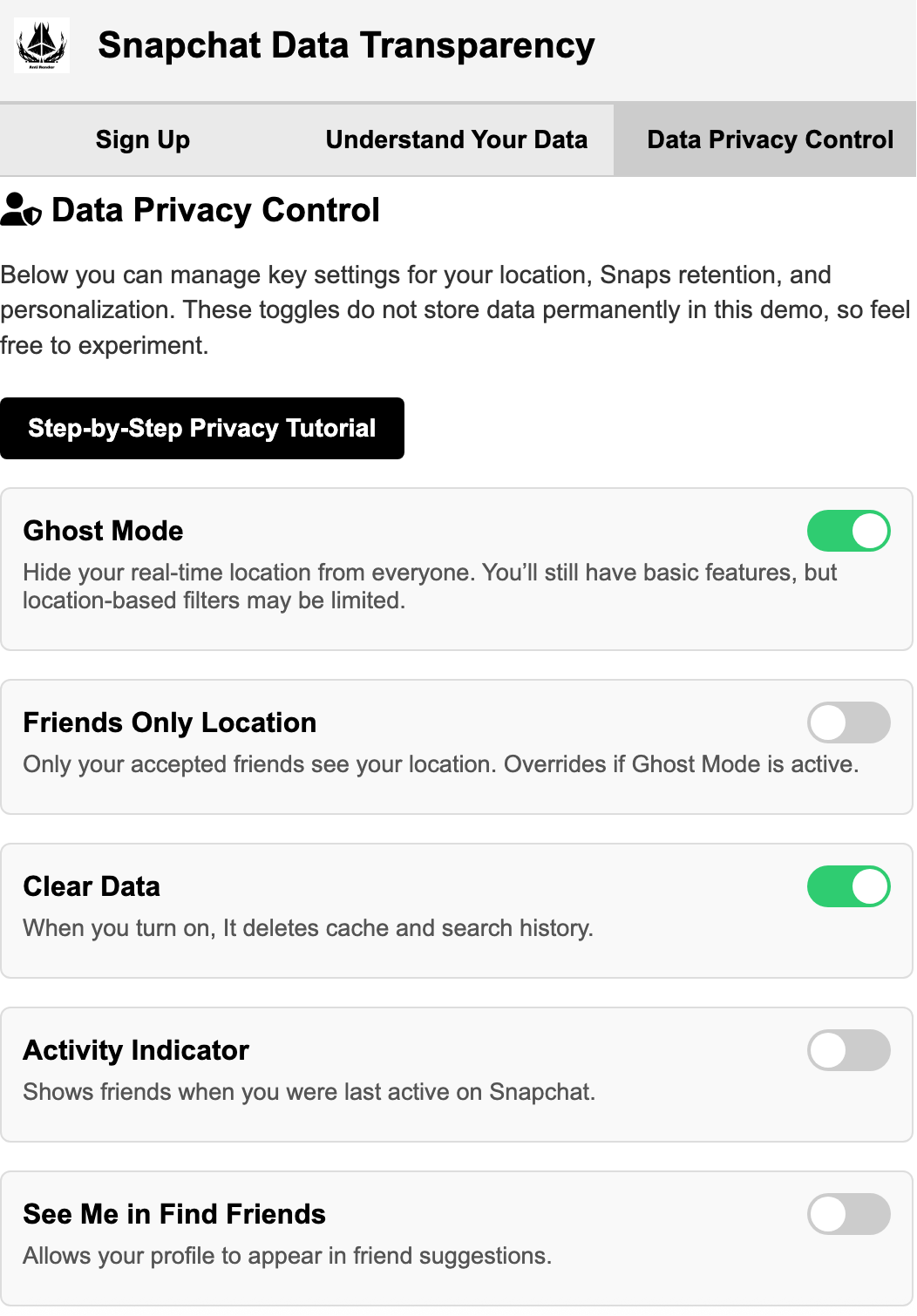
concepts into testable prototypes—Arduino when interaction needs real-world I/O, and web demos for interface flows.
I document assumptions, constraints, and decisions so that each iteration is explainable and repeatable. Accessibility,
contrast, and typographic hierarchy are non-negotiable. Usability tests are lightweight and frequent; insights feed
directly into changes rather than long reports. I value small, inspectable modules and share in-progress work consistently
to invite critique. The goal is a solution reliable to use, easy to learn, and simple to maintain.